3.3 Climate Adaptation & Resilience
3.3 Climate Adaptation & Resilience
The road network, and the people who rely on it, are vulnerable to a range of possible climate change effects.
Ireland’s climate is changing, and the indications are that further and more profound changes are likely. Major recent weather events in Ireland include Storm Ophelia (2017), which caused major power outages, lifted roofs and coastal flooding; Storm Emma (2018), which brought sub-zero temperatures and heavy snow showers that caused disruption and closure of transport systems including roadblocks; as well as heatwaves and drought (2018).
The road network, and the people who rely on it, are vulnerable to a range of possible climate change effects, including strong winds, landslides, changing rainfall patterns and extreme weather events leading to flooding and variable temperatures. In the longer-term sea level rising may also pose a threat. These may cause a range of debilitating impacts on the National Roads network, ranging from reduced performance- such as slower journey times, lower visibility and poor driving conditions; to damaged infrastructure and heightened user risk, causing disruption or closure of sections of the National Roads network. Closure of important transport links bring risks to people and businesses, especially in areas of low resilience where National Roads provide sole transport infrastructure for people and goods and in essence function as regional lifelines.
Adaptation to the impacts of climate change requires action to both manage the risks and to prepare mitigation and resilience plans to reduce vulnerabilities. Climate change mitigation has become an essential component of long term, strategic economic planning. An integrated approach involving stakeholders is essential. TII must prepare strategies for various climatic events that will impact the National Roads network.
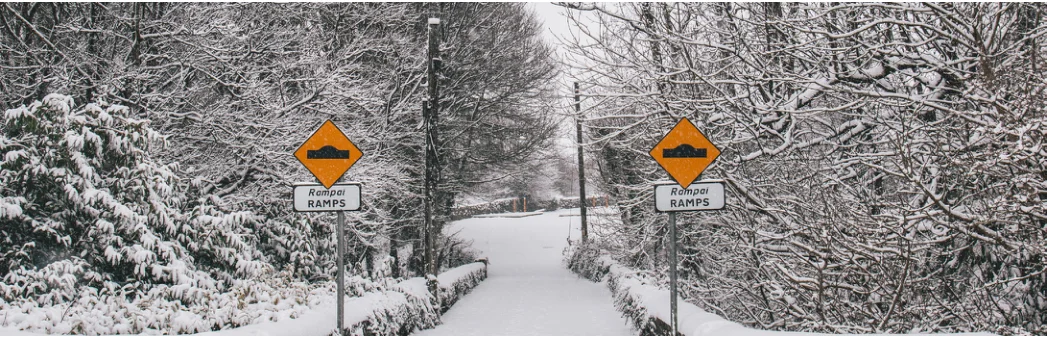
Figure from page 25
Page 25 · View in original PDF