4 Electricity
Energy industries (primarily electricity generation) accounted for 13% of national
emissions in 2023and the provisional emissions for 2024 are at 12% (including
LULUCF). Increases in renewable electricity (e.g. wind and solar) and reductions in coal,
oil, and peat use drive emissions reduction in the sector. Electricity emissions decreased
by 26.2% from 2018 to 2023 due to the increasing share of renewable generation and
net electricity imports. In 2024, renewables accounted for c.40% of electricity
generation in Ireland.
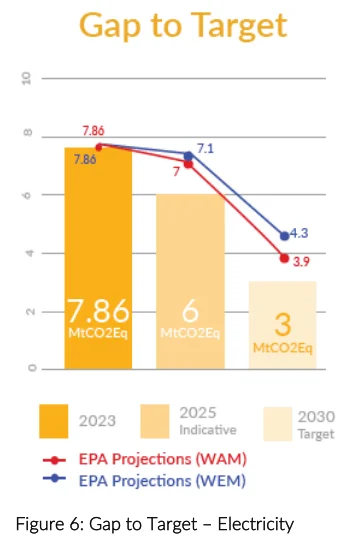
Figure from page 13
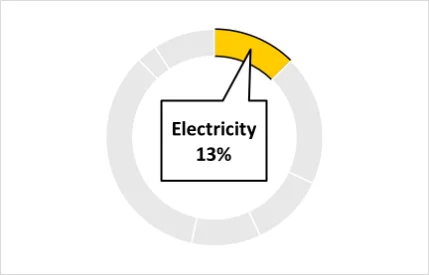
Figure 5: Electricity sector emissions share in 2023
The provisional emissions for 2024 indicate
that emissions from the Energy Industries
sector decreased for the third consecutive
Figure 6: Gap to Target – Electricity
year by 8.9% to an all-time low of 7.2 Mt
CO2eq. The reduction was partly due to
There was one action due for completion in
increased imports of electricity, which
Q3 which focused on demand management
accounted for 14% of electricity supply in
strategies for cutting emissions through the
2024 compared to 9.5% in 2023.
development of a Smart-flex standards
roadmap for energy-efficient appliances
In the Electricity sector, with 85.3% of the
(see annex).
carbon budget 1 already used, a 15.2%
emission reduction is now required for 2025
As of November 2024, onshore wind
to stay within the first 2021-25 budget.
capacity was 4,934 MW, approximately
82% of the 6GW 2025 target. The share of
renewable energy reached 40.1%, with a
2025 target of 50%.

Figure from page 13
Page 13 · View in original PDF