4 Electricity
4Electricity
Energy industries (primarily electricity generation) accounted for 13% of national
emissions in 2023 (including LULUCF). Increases in renewable electricity (e.g. wind and
solar) and reductions in coal, oil, and peat use drive emissions reduction in the sector.
Electricity emissions decreased by 26.2% from 2018 to 2023 due to the increasing share
of renewable generation and net electricity imports. In 2024, renewables accounted for
40.1% of electricity generation in Ireland.
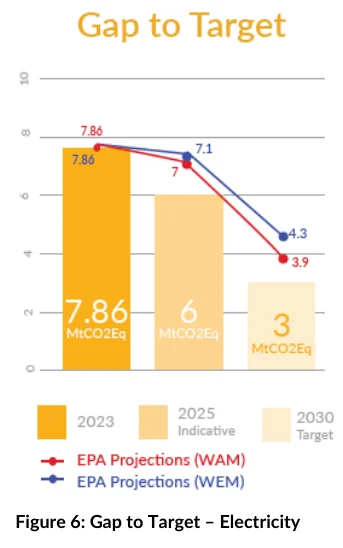
Figure from page 13
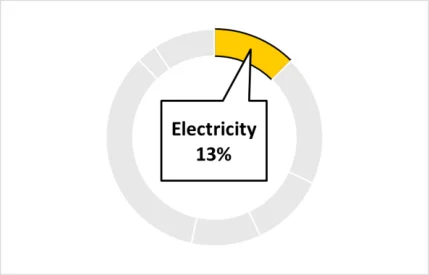
Figure 5: Electricity sector emissions share in 2023
The Programme for Government identifies
the need to develop a comprehensive plan
to accelerate energy generation,
Figure 6: Gap to Target – Electricity
connectivity, and planning processes.
electricity generation compared to 2022;
CAP25 sets out plans to increase electricity
and the renewable share increased from
interconnection, grid development, green
39% to 41%. Imported electricity now
hydrogen and biomethane production, as
accounts for 9.5% of electricity use.
well as demand side measures to further
reduce emissions from the electricity
EPA projections indicate 60-68% of energy
sector.
will come from wind and solar by 2030. A
significant 59% drop in emissions is
Ireland’s Final Greenhouse Gas Emissions in
projected to occur from electricity
2023 showed reductions in coal (-44%), oil
generation by 2030.
(-78%), peat (-34%), and natural gas (-7%) in

Figure from page 13
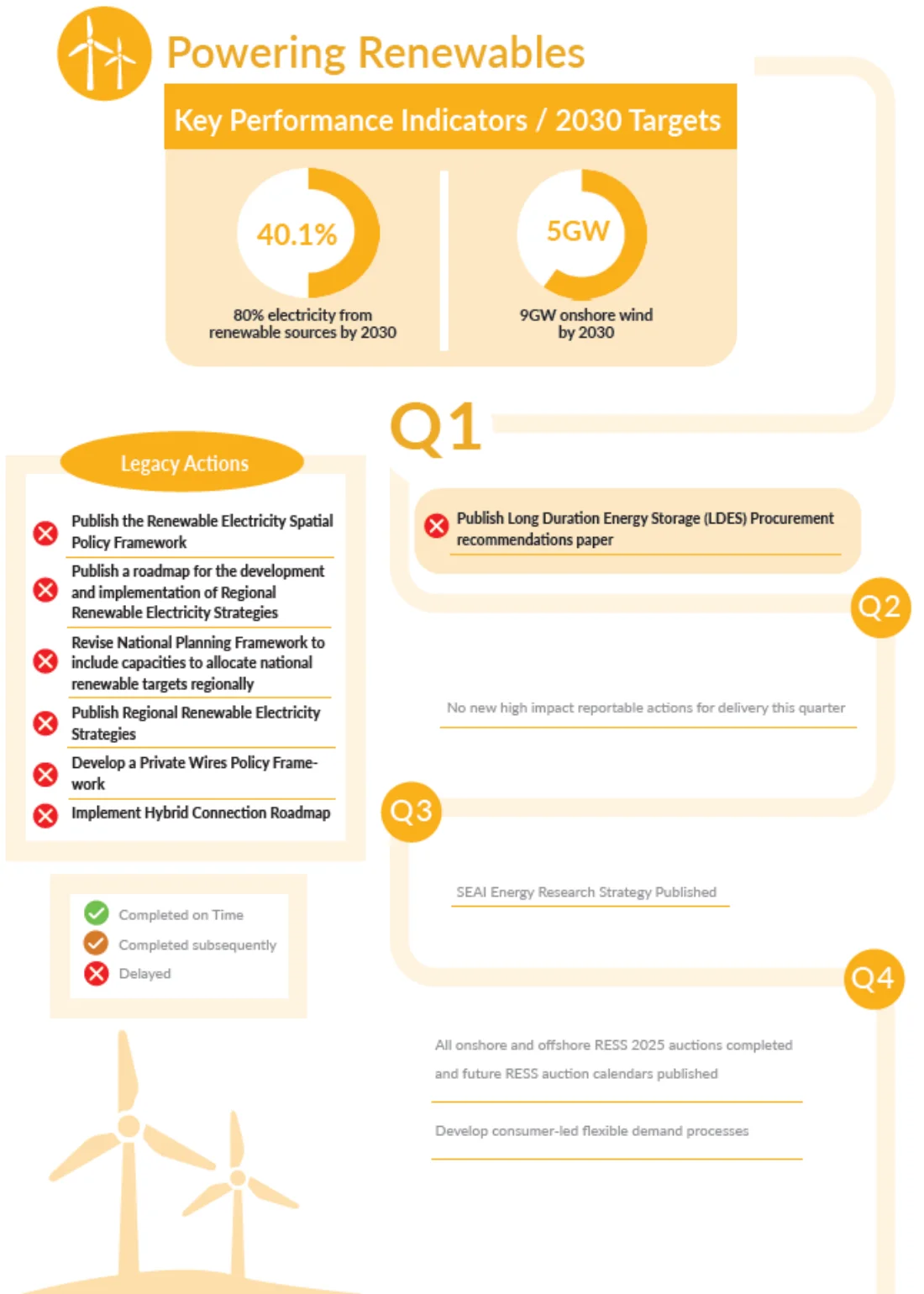
Figure from page 14
| Delayed CAP25 Q1 Action - EL/25/2 | ||
|---|---|---|
| Publish Long Duration Energy Storage (LDES) Procurement recommendations | ||
| paper | ||
| Under EL/25/2, a recommended procurement method for Long Duration Energy Storage (LDES) was due to be published in Q1 2025. The Transmission System Operator, EirGrid, is currently developing its first of two consultation papers on the procurement model for the Long Duration Energy Storage product. Following this consultation, a recommendations paper is forecasted to be published in Q4 2025. The second consultation paper and subsequent recommendations paper are forecasted to be published by Q4 2026. Long Duration Energy Storage (LDES) is essential for supporting a reliable, low-carbon energy system, particularly as the share of renewable energy increases. Renewable sources like wind and solar are intermittent, producing electricity only when conditions are right, which creates challenges for maintaining a consistent power supply. LDES tackles this by storing excess energy when generation is high and allowing it to be used when needed. This helps to balance supply and demand and helps reduces reliance on fossil-fuel-based backup power, enabling deeper decarbonisation of the electricity grid. It also enhances grid flexibility and resilience, supporting stability during demand spikes, extreme weather, or outages. In the long term, LDES can lower overall energy costs by reducing the need to overbuild renewable capacity and allowing more efficient use of infrastructure. |

Figure from page 15
Pages 13–15 · View in original PDF